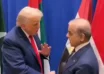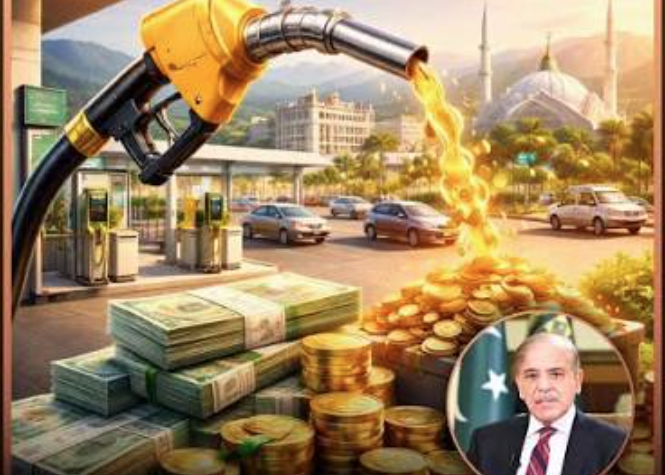
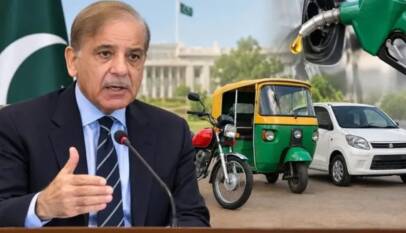
Federal Minister for Petroleum Ali Pervaiz Malik has said the government is expected to announce “good news” regarding a possible reduction in petroleum product prices.
“We will bring good news regarding a reduction in petroleum prices,” the minister told Geo News, acknowledging that the public had faced difficulties due to regional tensions stemming from the US-Iran conflict.
His remarks come days after US and Iranian officials agreed on a framework to end the war that began when US and Israeli forces attacked Iran on February 28. The agreement is expected to pave the way for the reopening of the Strait of Hormuz, a key route for global oil and gas supplies.
Global crude oil prices fell on expectations that Iranian oil could soon return to international markets, raising hopes of easing inflationary pressures.
Brent crude futures dropped below $80 per barrel on Wednesday, reaching their lowest level since the onset of the US-Iran conflict in March. On February 27, Brent crude closed at $72.48 per barrel, while West Texas Intermediate (WTI) settled at $67.02 per barrel.
In Pakistan, petrol is currently priced at Rs373.78 per litre, while high-speed diesel costs Rs378.78 per litre.
The government is expected to announce its latest decision on fuel prices on Friday. Since the outbreak of the US-Israeli conflict with Iran on February 28, petroleum prices have been reviewed on a weekly basis.
Mr Malik said previous increases in fuel prices during the conflict had placed pressure on household budgets, but the government remained committed to providing relief wherever possible.
“There is a promise and the prime minister’s direction that we will reduce prices to the extent possible,” he said.
The minister added that the anticipated availability of Iranian crude oil in global markets could help lower prices.
“On this expectation, oil prices are falling in the international market,” he said.
He further stated that Prime Minister Shehbaz Sharif had assured the public that any decline in international oil prices would be passed on to consumers.
“The prime minister had assured that whenever global prices fall, the benefit will be transferred to the people,” he said.
Earlier this year, the government raised fuel prices after tensions escalated following attacks by the United States and Israel on Iran, prompting retaliatory strikes by Tehran and disruptions to shipping through the Strait of Hormuz. The developments contributed to a surge in international oil prices.
As global prices rose, domestic fuel prices were increased by more than 50 per cent. Petroleum prices were revised twice during the first week of March, while the steepest increase was recorded in April.
During that month, petrol prices were raised by Rs137 per litre to a record Rs458.4 per litre. A day later, Prime Minister Shehbaz announced an Rs80 per litre reduction in the petroleum levy, bringing the price down to Rs378 per litre.
Last month, fuel prices were increased by Rs26.77 per litre for both petrol and high-speed diesel. A further increase followed a week later, pushing prices close to Rs400 per litre. Subsequently, the Petroleum Division issued another notification raising prices by nearly Rs15 per litre.



پی ٹی آئی آج یا کل اسلام آباد مارچ ختم کرنے کا اعلان کردے گی: فیصل کریم کنڈی
پشاور (میڈیا رپورٹس)میں میڈیا سے گفتگو کرتے ہوئے فیصل کریم کنڈی نے کہا ہے کہ پی ٹی آئی کے…

CSS Exam 2026: Age Limit Relaxed, Essay Paper Gets New Focus
The Senate Standing Committee on Delegated Legislation has asked the Federal Public Service Commission …